Level Up Your Skills: Game Development Workshop Guide
Are you ready to take your game development skills to the next level? In this comprehensive guide, we will delve deep into the world of game development workshops, providing you with valuable insights and tips to help you navigate your way through this exciting learning experience. Whether you're a beginner looking to explore the fundamentals or a seasoned developer seeking to enhance your expertise, this article has something for everyone. From understanding the different types of game development workshops to honing key technical and soft skills, we will cover everything you need to know to make the most out of these immersive learning opportunities. Get ready to embark on a journey of growth, learning, and advancement as we uncover the secrets to maximizing your potential and advancing your career in the dynamic field of game development
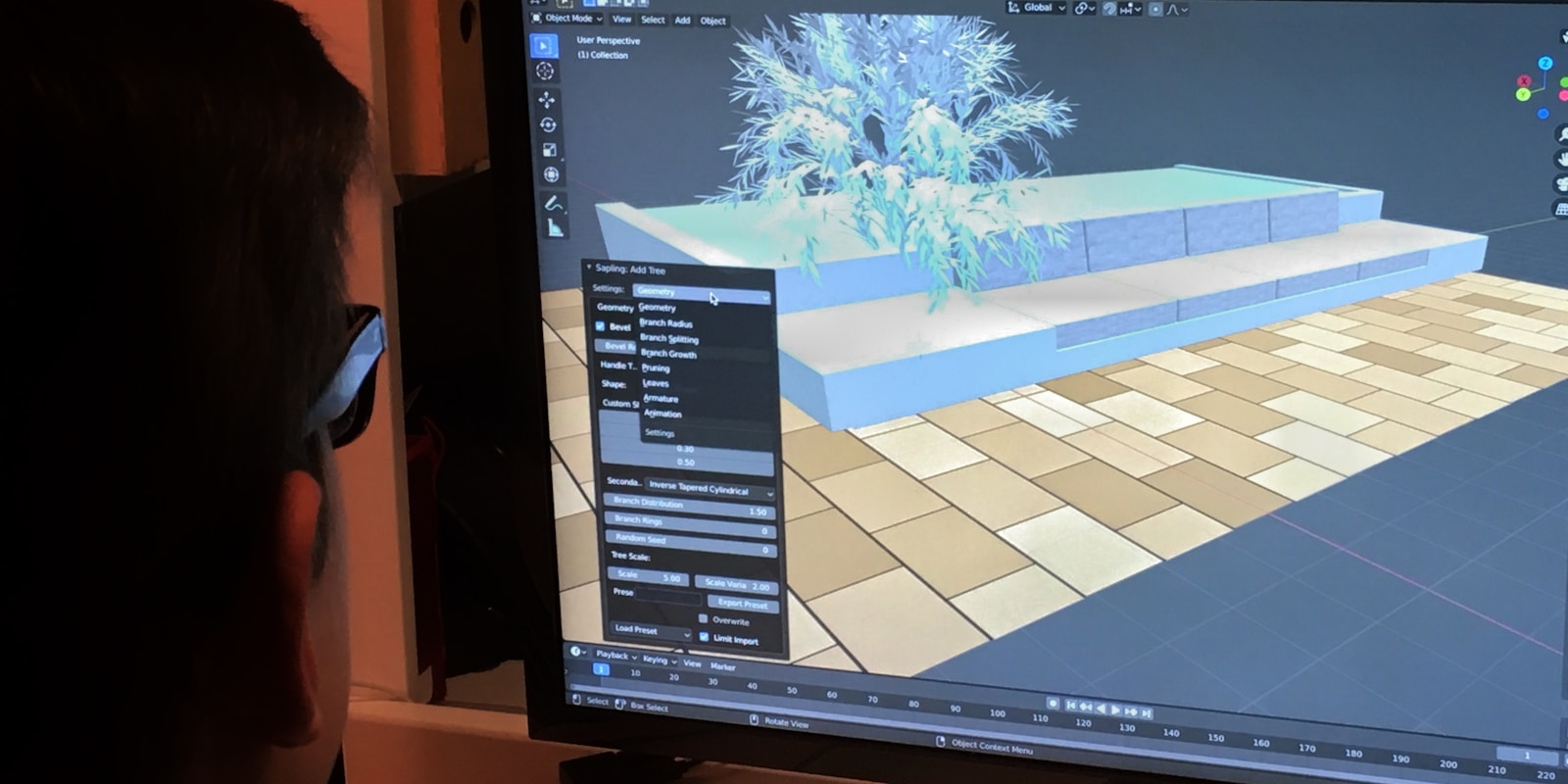
Introduction to Game Development Workshops
Game development workshops offer a valuable opportunity for aspiring game creators to enhance their skills, learn new techniques, and network with like-minded individuals. These workshops provide a structured environment where participants can delve into the intricate process of developing games, from conceptualization to actualization. By participating in a game development workshop, individuals gain hands-on experience working with industry-standard tools and technologies. They have the chance to collaborate with experienced professionals who can offer guidance and feedback on their projects. Additionally, workshops often include lectures, discussions, and practical exercises that help participants deepen their understanding of game design principles, programming languages, graphic design, sound engineering, and more. One of the key benefits of attending a game development workshop is the opportunity to connect with other passionate individuals who share a common interest in game creation. By interacting with fellow participants, attendees can exchange ideas, form partnerships, and build a supportive community that fosters creativity and innovation. Moreover, game development workshops often feature guest speakers who are established figures in the industry, providing valuable insights into the latest trends, best practices, and career opportunities in game development. These workshops can serve as a launching pad for participants looking to break into the competitive field of game design, offering them the knowledge and skills needed to succeed in this dynamic and ever-evolving industry. In conclusion, game development workshops are invaluable resources for individuals looking to level up their skills and pursue a career in game development. Whether you are a novice looking to explore the world of game design or a seasoned professional seeking to expand your expertise, attending a workshop can provide you with the tools, knowledge, and inspiration needed to take your game development journey to the next level
Choosing the Right Game Development Workshop for You
When it comes to leveling up your game development skills, attending workshops can be an excellent way to enhance your knowledge and expertise in the field. However, with so many workshops available, it can be challenging to choose the right one that aligns with your goals and skill level. Here are some key considerations to keep in mind when selecting a game development workshop that is tailored to your needs. 1. **Define Your Goal**: Before choosing a game development workshop, it's essential to define your goals. Are you looking to learn a new programming language, improve your design skills, or collaborate with other developers on a project? Clarifying your objectives will help you narrow down workshop options that cater to your specific needs. 2. **Skill Level**: Consider your current skill level in game development. Some workshops are designed for beginners, while others target more advanced developers. Make sure to choose a workshop that matches your skill level to maximize your learning experience. 3. **Workshop Content**: Review the workshop content and curriculum to ensure that it covers topics that are relevant to your interests and objectives. Check if the workshop includes hands-on projects, guest lectures from industry experts, or networking opportunities to make the most of your learning experience. 4. **Instructors**: The expertise and experience of the workshop instructors play a crucial role in delivering high-quality education. Research the background of the instructors leading the workshop to ensure they have the necessary qualifications and industry knowledge to provide valuable insights and guidance. 5. **Reviews and Recommendations**: Before enrolling in a workshop, take time to read reviews and testimonials from past participants. Feedback from others who have attended the workshop can give you valuable insights into the quality of the program, the effectiveness of the instructors, and the overall learning experience. 6. **Cost and Location**: Consider the cost of the workshop and whether it fits within your budget. Additionally, check the location of the workshop to determine if it is accessible to you. Some workshops may be offered online, providing flexibility for participants who prefer remote learning options. By considering these factors and conducting thorough research, you can choose the right game development workshop that aligns with your goals, skill level, and learning preferences. Remember that investing in your education and skill development is a valuable step toward advancing your career in game development
Key Skills to Enhance in a Game Development Workshop
In a game development workshop, attendees have the opportunity to enhance a variety of key skills that are crucial for success in the industry. These workshops provide a unique environment where participants can learn, collaborate, and experiment with different tools and techniques. Here are some key skills that participants can focus on improving during a game development workshop: 1. **Programming Skills**: Understanding different programming languages such as C++, Java, or Python is essential for game development. Workshops often include coding exercises and projects that can help participants sharpen their programming skills and learn how to apply them in a game development context. 2. **Game Design**: Game design is a crucial aspect of creating engaging and immersive games. Workshops usually cover topics such as game mechanics, level design, and player experience. Participants can practice developing game concepts and refining their design skills under the guidance of experienced instructors. 3. **Graphics and Animation**: Creating visually appealing graphics and animations is key to capturing players' attention. Game development workshops often offer training in tools like Unity or Unreal Engine, enabling participants to create and animate game assets effectively. 4. **Sound Design**: Sound plays a significant role in enhancing the overall gaming experience. Participants can learn about sound effects, music composition, and audio integration in game development workshops to enrich their games with immersive audio elements. 5. **Project Management**: Developing a game involves coordinating tasks, setting milestones, and managing resources effectively. Game development workshops often include project management sessions to teach participants how to plan, execute, and deliver game projects within a specified timeline and budget. 6. **Teamwork and Collaboration**: Game development is a collaborative process that requires teamwork and effective communication. Workshops usually incorporate group projects to encourage participants to work together, share ideas, and learn from each other's strengths. By focusing on enhancing these key skills in a game development workshop, participants can gain valuable experience and knowledge that will help them advance their careers in the competitive game development industry. Whether you are a beginner looking to kickstart your journey or an experienced developer aiming to level up your skills, attending a game development workshop can provide you with the necessary tools and insights to succeed in this dynamic field

Tips for Maximizing Your Learning in Game Development Workshops
Game development workshops are a fantastic way to enhance your skills and knowledge in the world of game development. However, to truly maximize your learning experience during these workshops, there are several key strategies you can employ: 1. **Come Prepared**: Before attending a game development workshop, take the time to familiarize yourself with the basic concepts and tools used in game development. This will help you grasp the more advanced topics covered during the workshop more easily and make the most of your time there. 2. **Set Clear Learning Goals**: Identify what specific skills or knowledge you want to gain from the workshop and set clear learning goals for yourself. This will help you stay focused during the workshop and ensure that you come away with tangible takeaways. 3. **Engage Actively**: Don't be a passive observer during the workshop. Participate in group discussions, ask questions, and collaborate with your peers on projects. Engaging actively will not only deepen your understanding of the material but also help you build a network of like-minded individuals in the industry. 4. **Take Notes**: Jot down key points, insights, and ideas that resonate with you during the workshop. Having a record of these notes will serve as a valuable reference tool when you're back at home and applying what you've learned to your own game development projects. 5. **Practice, Practice, Practice**: Put into practice what you've learned as soon as possible. Whether it's experimenting with a new game engine, trying out a different coding technique, or designing a game level, hands-on practice is crucial for solidifying your understanding and skill development. 6. **Seek Feedback**: Don't shy away from seeking feedback from workshop instructors or your peers. Constructive feedback can provide valuable insights into areas of improvement and help you grow as a game developer. 7. **Reflect and Iterate**: After the workshop concludes, take the time to reflect on your experiences, what you've learned, and how you can apply it to your future projects. Use this reflection to iterate on your skills and continue your learning journey in game development. By following these tips and actively engaging in game development workshops, you can level up your skills, expand your knowledge, and take significant strides in your game development career
Advancing Your Career Through Game Development Workshops
Game development workshops are immersive learning experiences designed to enhance your skills and knowledge in the field of game development. These workshops offer a unique opportunity to advance your career by providing hands-on training, mentorship from industry experts, and networking with like-minded professionals. By participating in game development workshops, you can gain practical experience working on real projects, learn about the latest tools and technologies used in the industry, and stay abreast of current trends and best practices. These workshops often cover a wide range of topics such as game design, programming, art and animation, game marketing, and project management, allowing you to explore different aspects of game development and find your niche. Attending game development workshops can also help you build a strong portfolio showcasing your skills and projects, which is essential for securing job opportunities in the competitive game development industry. Moreover, networking with instructors, guest speakers, and fellow participants can lead to valuable connections and potential job leads. In addition to honing your technical skills, game development workshops can also help you develop soft skills such as teamwork, communication, and problem-solving, which are highly valued by employers. These workshops often involve collaborative projects where you can practice working in a team environment, receive feedback on your work, and learn how to effectively communicate your ideas to others. Overall, game development workshops provide a dynamic and interactive learning environment where you can continuously level up your skills, expand your professional network, and position yourself for success in the fast-paced and exciting world of game development. Whether you are a beginner looking to enter the industry or a seasoned professional seeking to stay ahead of the curve, attending workshops can be a valuable investment in your career advancement
Conclusion
Conclusion: In conclusion, game development workshops offer a valuable opportunity for individuals at all skill levels to elevate their abilities and excel in the dynamic industry of game development. By participating in these immersive learning experiences, you can deepen your understanding of fundamental concepts, enhance both technical and soft skills, and expand your professional network. Whether you are a novice eager to explore the basics or an experienced developer looking to refine your expertise, investing time in game development workshops can truly help you level up your skills and accelerate your career growth. Embrace the knowledge shared in this guide, seize the learning opportunities presented by workshops, and embark on a journey of continuous improvement and success in the realm of game development